General Direction 10 (GD10) Thames – Sewage Discharge Rules for Commercial Vessels
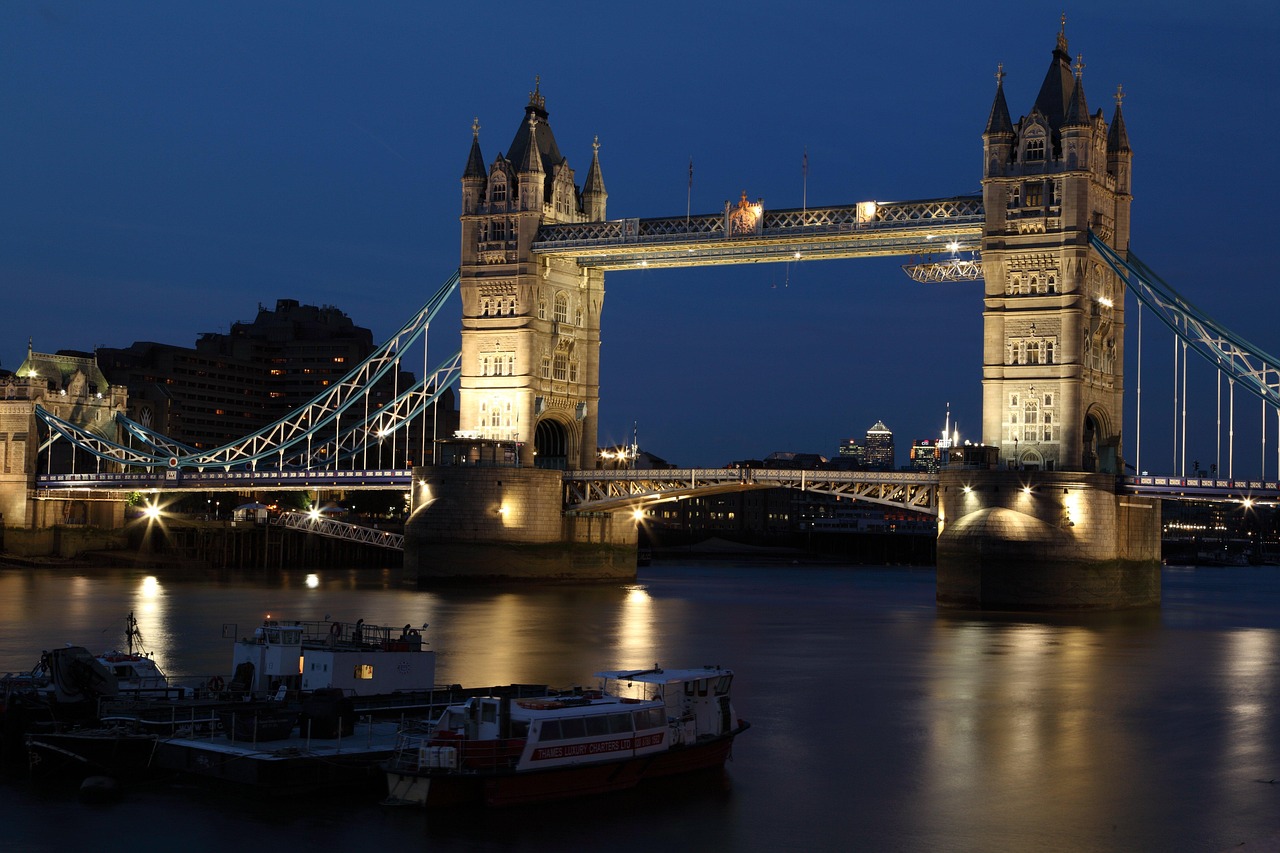
General Direction 10 (GD10) is a Port of London Authority requirement that, from 1 July 2024, commercial vessels must not discharge sewage (black water) into the River Thames.
( also referred to as General Compliance 10 )
Who it applies to
- Commercial vessels operating on the Thames (including passenger vessels, workboats and other commercial operators).
- Some vessels that only occasionally operate on the Thames may be exempt under specific certification conditions.
What “sewage” means here
- Sewage / black water: toilet waste.
- Grey water (sinks/showers) is often discussed separately; operators are encouraged to follow best practice to reduce environmental impact.
What you need to do to comply
Most operators comply by implementing one (or a combination) of the options below, so that sewage is retained on board and discharged to shore using appropriate arrangements:
- Install a sewage holding tank and arrange regular pump-out to shore.
- Use cassette/compost systems with proper disposal and suitable records.
- Fit an on-board treatment system (where appropriate) and ensure correct sludge removal/disposal to an appropriate facility.
- Put a formal pump-out arrangement in place (direct to sewer with permission, or via a third-party pump-out service).
Evidence & compliance checks
The PLA has indicated that it may request evidence of compliance. Depending on your setup, this can include:
- Holding tank installation evidence (e.g., invoices, certificates, surveyor documentation).
- Service and maintenance records (especially for treatment systems).
- Contracts/agreements with pump-out or discharge-to-shore providers.
- Waste documentation/receipts (where applicable).
How LeeSan can help?
Leesan can support vessel operators with practical waste management solutions to help you store waste on board, discharge waste to shore and pump out facilities shore bound.
- On-board waste storage solutions – help specifying a suitable approach for your vessel type and usage.
- Discharge-to-shore support – guidance on robust pump-out/disposal arrangements to keep sewage out of the Thames.
- Operational support – Sevicing and maintenance contracts.
Need help getting compliant?
Tell us what type of vessel you operate and your typical passenger/crew numbers, and we’ll recommend a practical route to on-board storage and shore discharge.
Email: sales@leesan.com
Call: +44 (0)1295 770000
Enquiry: Contact Address
Frequently asked questions
Is GD10 the same as “General Compliance 10”?
People often refer to it informally as “Compliance 10”. The formal PLA term commonly used is General Direction 10 (GD10), which relates to the discharge of sewage into the Thames.
Does GD10 apply to passenger vessels and ferries?
If the vessel is operating commercially on the Thames, GD10 is intended to apply. If you’re unsure about your exact status, contact the PLA using the emails below.
What’s the quickest compliance route?
For many operators, a holding tank plus a reliable pump-out/discharge-to-shore plan is the most straightforward route. The right solution depends on vessel size, duty cycle and passenger/crew volumes.
PLA contacts for GD10
If you need official clarification or need to discuss acceptable evidence, you can contact the PLA:
More in this section 